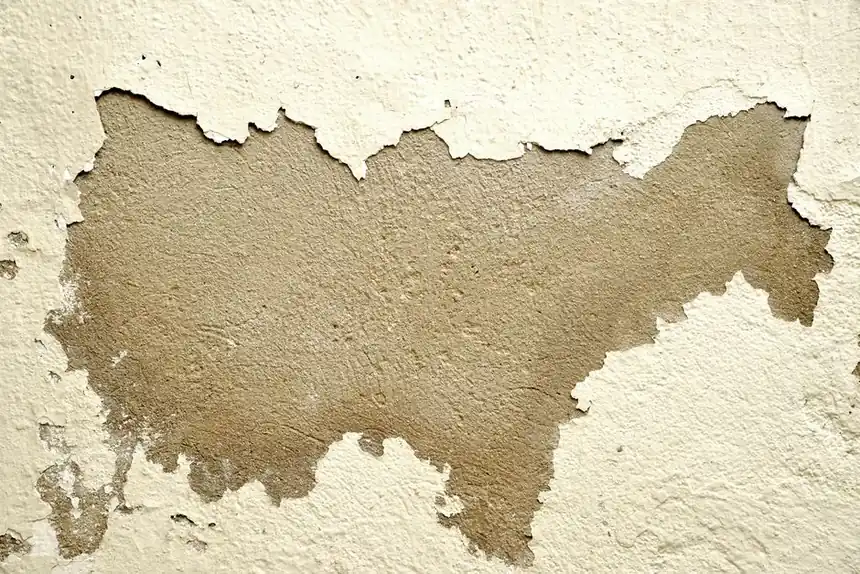
Water damage can lead to significant structural issues if not addressed promptly. Understanding the steps of structural drying services is essential for homeowners in Fairfax, Virginia, to ensure their properties are restored effectively. This article will cover the definition of structural drying, its importance, the steps involved, common mistakes to avoid, and when to seek professional help.
What is Structural Drying?
Structural drying refers to the process of removing moisture from building materials and structures after water damage has occurred. This process is crucial for preventing mold growth and further damage to the property. In Fairfax, where high humidity levels can exacerbate water issues, effective structural drying is vital.
The Importance of Structural Drying
Proper structural drying is essential for several reasons:
- Prevents Mold Growth: Mold can begin to develop within 24 to 48 hours after water exposure. Quick drying minimizes this risk.
- Protects Structural Integrity: Excess moisture can weaken walls, ceilings, and floors, leading to costly repairs.
- Improves Indoor Air Quality: Reducing moisture levels helps eliminate musty odors and allergens.
- Increases Property Value: Timely restoration can help maintain or even enhance your property's value.
Steps Involved in Structural Drying
The process of structural drying typically involves several critical steps:
1. Assessment and Inspection
The first step is a thorough assessment of the affected area. Professionals will inspect the property to determine the extent of the water damage and identify the sources of moisture. This step is crucial for developing an effective drying plan.
2. Water Extraction
Once the assessment is complete, the next step is water extraction. Using specialized equipment, such as pumps and vacuums, professionals remove standing water from the affected areas. This step is vital to prevent further damage and initiate the drying process.
3. Drying and Dehumidification
After water extraction, the drying process begins. High-powered fans and dehumidifiers are employed to remove moisture from the air and building materials. This stage can take several days, depending on the severity of the water damage and the materials involved. In Fairfax, we often recommend Dehumidification Services Fairfax VA to expedite this process.
4. Monitoring
During the drying process, professionals will monitor moisture levels using hygrometers and moisture meters. This ongoing assessment ensures that the structure is drying effectively and helps prevent any residual moisture issues.
5. Final Inspection
Once the drying process is complete, a final inspection is conducted to ensure that all affected areas are dry and free from moisture. This step is critical before any repairs or restoration work can begin.
Common Mistakes in Structural Drying
Many homeowners make mistakes during the structural drying process that can lead to further damage:
- Ignoring Moisture Sources: Failing to identify and eliminate the source of water can lead to recurring issues.
- Delaying Action: Waiting too long to start the drying process can result in mold growth and structural damage.
- Inadequate Ventilation: Not providing enough airflow can hinder the drying process.
- Improper Equipment Use: Using the wrong equipment can lead to ineffective drying or additional damage.
When to Call a Professional
If you experience significant water damage, it's crucial to call a professional service like Water Damage Restoration Fairfax. Professionals have the expertise and equipment to handle complex drying situations effectively. They can assess the damage, extract water, and ensure that your property is dried thoroughly, preventing future issues.
Frequently Asked Questions
1. How long does the structural drying process take?
The duration varies based on the severity of the damage and the materials involved. Typically, it can take anywhere from a few days to a week.
2. Can I dry my home myself?
While you can attempt to dry your home, professional services ensure thoroughness and prevent issues like mold growth.
3. What equipment is used for structural drying?
Professionals use specialized equipment, including pumps, dehumidifiers, and high-powered fans to facilitate the drying process.
4. Is structural drying covered by insurance?
Many homeowners' insurance policies cover water damage restoration, including structural drying. Check with your provider for specifics.
5. How can I prevent water damage in the future?
Regular maintenance, including checking for leaks and ensuring proper drainage, can help prevent future water damage.
Get help with Water Damage Restoration in Fairfax
If you're dealing with water damage, don't wait. Contact us at Water Damage Restoration Fairfax for expert assistance. Our team is ready to help restore your property quickly and effectively. Call us at 5715613002.